Food:
Water
Fat
Salt
Temperature
Sugar
Acid
Alkaline
Monday, December 08, 2008


Monday, December 01, 2008
Thursday, November 27, 2008
Chestnut Soup
Same soup, different method. This is a continuuing refinement. The first time I tried making this soup I roasted the chestnuts and pureed them in a blender with stock. This time I cooked the chestnuts sous vide with cognac and brown sugar. I thought I might preserve some of the chestnut flavor by using the sous vide liquid in the soup, instead of diluting it with stock. When I opened the bag the aroma was very clean and complex - almost floral. The color had changed from translucent, pale-amber to an opaque clay red. Ultimately I'd like to make a soup without the addition of cream or milk - or more like a chestnut horchata with nutmeg and cinnamon if dairy is to be added.
Unfortunately the liquid was much too astrigent to be used in the final soup and with it went all the aromatics. In the future, I might try blanching the nuts first in hopes of removing some of the astrigency. Some of the nuts were overcooked and not only became mushy but took on a less pleasant smell like cooked beans.
To make the soup I thinned the puree with turkey stock to desired consistency. Season with salt and brown sugar. Without the cooking liquid the aromatic end is lacking. I either have to replace it completely with another ingredient or rethink the cooking liquid.
for the chestnut puree:
450g chestnuts
50g cognac
25g brown sugar
250ml water
peel the chestnuts. Add the cognac to a pan warm slightly. Flame off the alcohol. Melt in the brown sugar and add the water. Seal the chestnuts with the liquid in a vacuum bag and simmer 25-30 minutes until the nuts are tender. Strain the liquid out. Pass the nuts through a tammis.
Monday, November 10, 2008
ham and brie
ham
bechamel
pork fat
oyster
mandarin
shiitake mushroom
smoke
brie
stale bread
My parents used to make a dish of cured beef sliced thinly over toasted bread coated with a bechamel-like sauce. It was delicious, salty and bland. there is something about salty, starchy blandness that is very important. A well made bechamel poured over stale bread could be very satisfying.
The smoke is the only hesitation and possible omition to this train of thought. I would hate to overpower the delicate fungal nuances of the cheese.
Monday, October 27, 2008
Thoughts on fall
apple
Beaujolais
brown butter
cabbage
Candy corn
Caramel apples
cauliflower
Cedar
celeriac
Chestnut
cider
Cigar box
cinnamon
condensed milk
Crab apple
dried fruit
endive
Fallen leaves
fennel
fermented flavors
frankincense
game
grains
Hay rides
Hazelnut
Huckleberry
molasses
mushrooms
Oak
Old wooden cabinets
oxidized wine
pear
Pecan
pheasant
pumpkin
Pumpkin pie
Pumpkin seed
root vegetables
Sage
salisfy
smoke
squab
squash
sunchoke
sweet potato
Thyme
toasted flavors
Tobacco
turkey
vanilla
venison
Walnut
Warm fireplace
Tuesday, September 23, 2008
Frankincense

At the fat duck they used it with a clear venison broth. I'm not really sure what to do with it. Use it for smoking? It has a fragrance vaguely reminiscent of pine when burned.
Monday, September 22, 2008
Douglas Fir Ice Cream
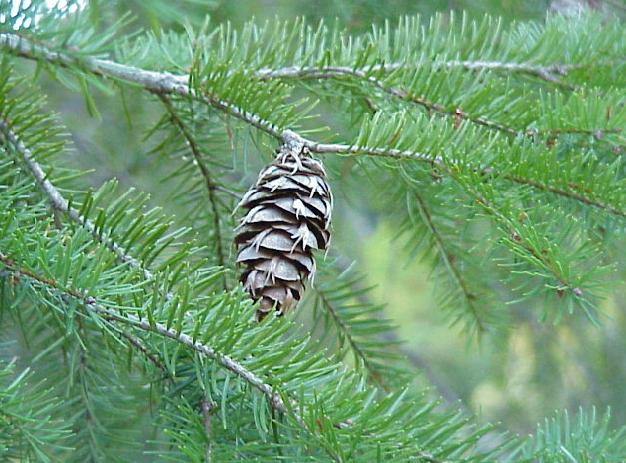
This is not particularly creative or original. What I wanted more so was to test a cold infusion. We didn't manage to capture the citrusy aromas that filled the room as we crushed the needles but we also didn't extract any of the bitter or resinous compounds. Most importantly it did not come off like eating cleaner. The ice cream is made without cream because we wanted the flavor to be short lived on the palate. The pine flavor has a long lasting effect, however. It would be impossible to place this anywhere but at the end of the meal.
30g needles, picked and washed (about 1 cup)
120g sugar
6 egg yolk
500ml milk 3.25%
Using a mortar and pestle, pound the needles until they become very fragrant.
Whisk the sugar and egg yolks together.
Bring the milk to a boil in a small pot. Pour the hot milk over the sugar and egg yolks, whisking.
Strain the ice cream base and chill thoroughly.
Vacuum seal the ice cream base and crushed needles together. Refrigerate 48 hours.
Strain and churn.
Sunday, September 07, 2008
Fall tasting menu
Chicory
smoked quail, banana, dandelion
Mandarin-acorn Squash
oyster-emulsion, cashew, sichuan peppercorn
Cured Duck Breast
mangosteen, taro, bear’s garlic
Shrimp
chestnut-bacon, leeks, malegeuta pepper
Langoustine
rose-steamed, lady apple, parsley
Lobster Seared
barbados cherry, bok choy, black-eyed pea foam, rosemary
Wild boar ragout
marinated fig, buckwheat, tasmanian pepper
Poached Lamb saddle
bean sprout, curry leaf
Loin of Venison
hyacinth bean, black apple foam, strawberry leaves
Monday, August 25, 2008
The Majesty of Tomatoes
Its high enough in umami taste (savory amino acids) to rival mushrooms and meat. Its a fruit from the new world that penetrated europe and became the only ingredient to be be featured among the 5 classic sauces of french cuisine.
Food Pairing lists the following common pairings
Fruit:
Grapefruit
Grapes
Banana
Pear
Sour Cherry
Strawberry
Raspberry
Kiwi
Orange
Black currant
Legume:
Beans
Truffle
Soybean
Pea
Seafood:
Mussel
Herb/Spice:
Tarragon
Cinnamon
Clove
Laurel (bay leaf)
Coriander
Pepper
Anise
Basil
Parsley
Oregano
Cultured Dairy:
Yoghurt
Buttermilk
Culinary Artistry Lists in alphabetical order the following common pairings:
Anchovies
Arugula
Basil
Bread crumbs
Champagne
Cheese – feta, goat, mozzarella, parmesan
Chiles
Chives
Cucumbers
Eggs
Garlic
Lemon
Lovage
Marjoram
Mint
Mushrooms
Olive oil
Olives
Onions
Oregano
Parsley
Pasta
Pepper, black
Peppers, especially red
Saffron
Salt
Seafood
Shallots
Sugar
Tarragon
Thyme
Vinegar – balsamic, sherry, wine
Saturday, August 23, 2008
Friday, August 22, 2008
Wednesday, August 20, 2008

Sunday, August 17, 2008
Lamb Follow up

Roasted Saddle of Quebec Lamb
marcona almond puree spiked with preserved lemon juice
summer vegetables
lamb jus
Saturday, August 16, 2008
Elegance

Elegance; graceful, simple, beautiful.
A restaurant chef is always looking for the fastest and cheapest way to create something delicious that a customer will love. We throw carrots mindlessly into stocks and sauces. This recipe is incredibly simple and delicious and comes almost straight out of letters to a young chef. Of course, there are myriad flavors which pair beautifully with the carrot but for the sake of this recipe we want to keep it as simple as possible.
With any vegetable based soup, I start with a puree of the theme ingredient. If I can thin out the soup with the juice of that ingredient, it will be a beautiful clean soup. The carrot is a perfect example.
We start by glazing the carrots in their own juice and olive oil. Cook the carrots over low heat in a fair amount quality olive oil - about twice as much as you would normally use. The fat becomes a carrot-infused oil that will emulsify when the soup is pureed and enrich the finished product. With this method we capture the fat soluble flavors of the carrot with the oil. We use the oil to cook the carrot to represent the silky texture of cooked carrot and we add a lipid element that coats the mouth with the sweet flavor of carrot. To the sweating carrots, add fresh carrot juice, chopped ginger, coriander seed.
Once the carrots are cooked and the juice has reduced all the way down - puree the mixture and pass it through a sieve. Chill completely. When the puree has chilled, thin it with more fresh carrot juice. Season with ginger juice, lemon juice, salt, sugar, cayenne. This is your soup.
Wednesday, August 13, 2008
New Additions to Our Library

Someone very special got this book for me, "just because..."
Michel Bras is a true artist. Its full of amazing ideas - incredible book.
Saturday, August 02, 2008
Blazing Saddles

We brought in some really nice quebec lamb saddles for a party. We also have live scallops and french black truffles coming in for the same party. Its more fun for the cooks.

We have probably 7-10kg of trim leftover. I'm thinking merguez?


Saturday, July 26, 2008

Friday, July 04, 2008
Fennel Soup
We are currently serving this soup chilled with a smoked fig and little lemon foam.
I love it conceptually because its made of 3 different elements that come together cold. The triad reminds me of bass, mid and treble applied to music. I prepare each element of the soup seperately and mix them like a technician moves levels to create the perfect sound.
Bass:
This is the cooked element. The fennel bulbs are cooked for a long time with butter, water, pernod and fennel seeds. After 5-6 hours or whenever it starts to completely fall apart - puree and strain. The result is a rich, silky fennel puree.
Mid:
This element is nothing but the fresh juice of the fennel bulb with vitamin c to prevent oxidation. This is most mild and pleasant of the three. Light and sweet with an off-white color identical to the bulb itself. I could drink a glass of this with ice on a hot day.
Treble:
This came about because the chef wanted the soup to be green. Originally I planned on blanching the fronds and pureeing them into the soup for color. I found the fresh juice of the stems and fronds is a lot more interesting. This is the most intense and abrasive bit of the soup. It is vibrantly electric green in color and tastes almost sickenly sweet of licorice candy.
Once the three are prepared and chilled, I mix them, taste - too much green, too much cream, etc. The balance is simply beatiful. The only downside is it takes a case of fennel to make a little over 1/2 gallon of soup.
Monday, June 30, 2008
Confusion
"Barbeque" is not a device, it is a style of food. You might even go so far as to call it a method. A "grill" and a "smoker" can be used to create barbeque but you cannot "throw something on the barbeque" anymore than you can throw something on the remouillage.
Subscribe to:
Posts (Atom)