Tuesday, June 09, 2009

Guerilla Food Photography


As I began to piece together my "studio" in chicago, I found myself greatly satisfied at how much one can accomplish at very little expense. The photos I post are prepared with skill and great care, however, I am not using a professional studio or thousands of dollars of specialized equipment.

The beauty of digital photography is the process is greatly simplified from the convultion that is film. The lab, the processing, the printing are all consolidated to a home computer. White balancing film is difficult and expensive. It requires special equipment, high temperature resin gels and filters. With digital you can manually white balance to literally any continous spectrum light source - especially shooting in .RAW. This makes it possible to use a $5 worklight from the hardware store for shooting. Tungsten studio lights, on the other hand, cost hundreds if not thousands of dollars. Are there drawbacks? of course.

My backdrop is a $.50 piece of white poster board supported by a cardboard box I got for free.


I used to spend a lot of time searching for nice photo plates. A high end restaurant will easily spend $40 or more on a single service piece. Most of the time I erase the plate anyway in post, for one reason or another. So instead, a 12x12 white square of plexiglass ($2) stands in for bernadaud china.

There is no way around the cost of a camera and adobe photoshop. I shoot on a canon rebel xsi. However - before switching to a digital slr, I used a canon powershot that cost approx. $300 for years. These were difficult shoots because of the limitations of the camera. My point is that it is possible to create a high quality image without a prosumer digital camera.

Wednesday, June 03, 2009

New Photos

It occurred to me at some point over the last few weeks of building the website that all of these images are at least a year old. The last time I had an actual shoot was last summer. I also realized how much I miss it. A new studio is already in the works - as impractical as it is in this tiny chicago apt. Hopefully I'll have some new material soon.

Tuesday, May 26, 2009

Website

DIY websites = time consuming, frustrating. Rewarding, however especially financially.

My New Website


Its a work in progress

Monday, April 13, 2009

Mid-level Sous Vide


In an earlier post I compared a professional setup for sous vide cooking with a minimal one. This option offers automatic and precise temperature control for less than half the cost of an immersion circulator. The Auber PID Controller will, coupled with a heat source, keep a water bath within 1 degree C. If the heat source comes from underneath the natural convection will maintain consistent temperature, making circulation unnecessary. This Winco 30 cup rice cooker comfortably holds 8 liters of water. It took about 20 minutes to stabalize within the degree. I also took this picture before I figured out how to display temperature in C.

I have lots of plans now with the ability to precisely control temperature over a prolonged perdiod of time.

Tuesday, April 07, 2009

New Additions


We have a new member of our family, Sophie. In addition we ordered an Auber PID controller, a food saver upgrade, and a commercial sized rice cooker for a slightly more sophisticated sous vide setup.

Tuesday, March 31, 2009

Studio Kitchen

I just want to mention how glad I am Studio Kitchen is once again accessible to the general public.

I love Shola's food. Master of technique. Its clean, thoughtful and authentic. He has the rare ability to create food interesting to me as a professional chef, but also something I really want to eat.

The new website is great.

Monday, March 16, 2009

Whole Pig


We brought in a whole pig - just for fun. 46# head-on. So far we have 2 hams curing 2 different ways, 1/2 belly curing for bacon, head-meat terrine, lots of shoulder meat and skin. More details to come.

Tuesday, February 24, 2009

Buttermilk Ice Cream

Just a test so far, however, the unfrozen base is delicious. I'm really excited to churn it. This needs to be churned immediately because of the active culture in the buttermilk.

500g buttermilk
10g milk powder
120g heavy cream
30g sweetened condensed milk
100g sugar
20g glucose powder
4.5g lactic acid
2g powdered gelatin
1g xanthan gum

Add the cream to a small pot and bloom the gelatin over the top 5 minutes. Add the sugar, glucose powder and sweetened condensed milk. Warm until sugar is melted do not bring to a boil. Chill thoroughly. Once the cream mixture is cold blend with remaining ingredients and pass through a fine sieve.

The recipe takes from laiskonis' post on ice cream. If my math is right, this recipe is approximately 29.5% dry matter and 6% fat, which falls slightly below bajard's ideal ratios.

Monday, February 09, 2009

Sous Vide At Home


If I could reasonably afford a polyscience thermal circulator I would buy it in a heartbeat. In fact, I've come close several times anyway. Until then, this is how I cook sous vide at home.

You may laugh and it is a little embarassing to advertise it the way I am now, but I've always had such great results. Fish, chicken, pork, various cuts of beef - they all benefit. I used to use ziploc bags but I finally bought one of those shitty food-saver vacuum pack machines. This is the only piece of equipment you would reasonably have to buy if you cook at home.

Here I'm cooking two pieces of pork belly cured in two different ways, attempting to maintain 70C.

Professional Sous Vide Set up:
Chamber Cryo-vac machine $1,500
PolyScience Circulator ~$1,000

Total: $2,500

Bags vary in price but are usually cheaper when purchased in large quantity.

Home Sous Vide Setup:
Food Saver vacuum machine $50-70
vacuum bags $10
12qt stainless steel pot $30
digital thermometer $15

Total: $105-$125

What do we lose from the cheaper setup? Mostly control and a good deal of consistency. Cooking a "roast beef" or something for an extended period of time that will be finished on a grill will not be made or broken by a 1-2 degree difference. Neither will a steak or piece of fish that only cooks for 8-15 minutes. They will, however, suffer if the water starts to boil without you noticing, which has happened to me several times. A thermal circulator will heat up to 7 gallons of liquid consistently to within .05C. It can run for days without care or attention, which is another problem: unless you are willing to stay at home for 12 or more hours at a time babysitting your food its not very practical. Most people aren't willing to leave home or go to sleep with the oven running. Solution: crockpot, If its big enough to hold what you're cooking and will keep food well below a simmer.

Getting down to business - pork belly.

Comparing notes from different cookbooks:

Under Pressure
Brine 24 hours. Sous Vide 82C 12 hours.

Big Fat Duck
Brine 48 hours. Sous Vide 60C 36 hours.

Alinea
Dry Cure 48 hours. Sous Vide 88C 4 hours.

Professional Charcuterie - Traditional Bacon
Dry Cure 10 days. Smoke 49C 10 hours.

Tuesday, January 27, 2009

Sweet Potato


I was looking for something completely unrelated in "On Food and Cooking" and I came across the section on sweet potatoes. Mcgee states that at 57C an enzyme in the potato is activated that converts the starch to a sugar called maltose. This process stops at 75C when the enzyme is denatured. This explains why sweet potatoes will ooze syrup and have a completely different quality when cooked slowly in an oven as opposed to moist cooking methods. According to the book some varieties convert up to 75% of their starch to maltose.

So lets cook a sweet potato around 62-65C for a long time and see what happens. Eventually in theory up to 75% of the starch will be converted to maltose syrup. The sweet potato will confit itself without any additional ingredients. Maybe we could collect the syrup and use it for another application. Whip it with versawhip, whipped sweet potato.

Monday, January 05, 2009

Musings: My Best Friend's Wedding

It was recently brought to my attention this movie takes place in Chicago, where Julia Roberts plays a food critic.

The first scene takes place at Charlie Trotter's where a much younger, thinner Charlie Trotter tells one of his chefs, "I will kill your whole family if you don't get this right."

Friday, January 02, 2009

Pheasant Sausage

380g breast meat scrap without skin
330g pork belly
208g Pheasant leg meat with skin
181g foie gras
105g salumeria pancetta
105g smoked bacon
81g pheasant or chicken livers
30g Jack daniels whiskey
30g sauvignon blanc
200g dark and golden raisins
15g cider molasses
26g sage leaves
1 clove garlic
1g thyme leaves

Chop the sage leaves very fine and set aside with the raisins.

Toss the remaining ingredients together with the seasoning and rest 1 hour. Grind everything together through a fine die. Fold the raisins and sage leaves into the ground meat. Stuff via normal procedure. Cook the sausages sous vide or poach at 60C.

Seasoning per KG:
12.5g salt
2g sel rose
2g pepper
1g quatre epice

Monday, December 08, 2008

When did things get so complicated?

Food:
Water
Fat
Salt
Temperature
Sugar
Acid
Alkaline

Monday, December 01, 2008

Squab

chestnut, liver, coganc, dried fruit, vinegar, dark chocolate

Thursday, November 27, 2008

Chestnut Soup

Same soup, different method. This is a continuuing refinement. The first time I tried making this soup I roasted the chestnuts and pureed them in a blender with stock. This time I cooked the chestnuts sous vide with cognac and brown sugar. I thought I might preserve some of the chestnut flavor by using the sous vide liquid in the soup, instead of diluting it with stock. When I opened the bag the aroma was very clean and complex - almost floral. The color had changed from translucent, pale-amber to an opaque clay red. Ultimately I'd like to make a soup without the addition of cream or milk - or more like a chestnut horchata with nutmeg and cinnamon if dairy is to be added.

Unfortunately the liquid was much too astrigent to be used in the final soup and with it went all the aromatics. In the future, I might try blanching the nuts first in hopes of removing some of the astrigency. Some of the nuts were overcooked and not only became mushy but took on a less pleasant smell like cooked beans.

To make the soup I thinned the puree with turkey stock to desired consistency. Season with salt and brown sugar. Without the cooking liquid the aromatic end is lacking. I either have to replace it completely with another ingredient or rethink the cooking liquid.

for the chestnut puree:

450g chestnuts
50g cognac
25g brown sugar
250ml water

peel the chestnuts. Add the cognac to a pan warm slightly. Flame off the alcohol. Melt in the brown sugar and add the water. Seal the chestnuts with the liquid in a vacuum bag and simmer 25-30 minutes until the nuts are tender. Strain the liquid out. Pass the nuts through a tammis.

Monday, November 10, 2008

ham and brie

ham
bechamel
pork fat
oyster
mandarin
shiitake mushroom
smoke
brie
stale bread

My parents used to make a dish of cured beef sliced thinly over toasted bread coated with a bechamel-like sauce. It was delicious, salty and bland. there is something about salty, starchy blandness that is very important. A well made bechamel poured over stale bread could be very satisfying.

The smoke is the only hesitation and possible omition to this train of thought. I would hate to overpower the delicate fungal nuances of the cheese.

Monday, October 27, 2008

Thoughts on fall

apple
Beaujolais
brown butter
cabbage
Candy corn
Caramel apples
cauliflower
Cedar
celeriac
Chestnut
cider
Cigar box
cinnamon
condensed milk
Crab apple
dried fruit
endive
Fallen leaves
fennel
fermented flavors
frankincense
game
grains
Hay rides
Hazelnut
Huckleberry
molasses
mushrooms
Oak
Old wooden cabinets
oxidized wine
pear
Pecan
pheasant
pumpkin
Pumpkin pie
Pumpkin seed
root vegetables
Sage
salisfy
smoke
squab
squash
sunchoke
sweet potato
Thyme
toasted flavors
Tobacco
turkey
vanilla
venison
Walnut
Warm fireplace

Tuesday, September 23, 2008

Frankincense


At the fat duck they used it with a clear venison broth. I'm not really sure what to do with it. Use it for smoking? It has a fragrance vaguely reminiscent of pine when burned.

Monday, September 22, 2008

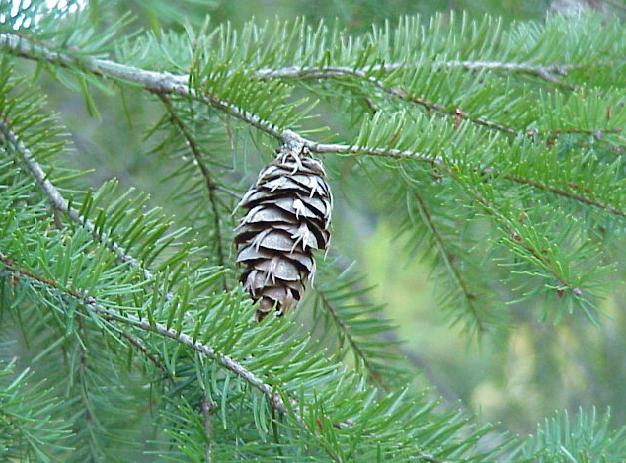
Douglas Fir Ice Cream


This is not particularly creative or original. What I wanted more so was to test a cold infusion. We didn't manage to capture the citrusy aromas that filled the room as we crushed the needles but we also didn't extract any of the bitter or resinous compounds. Most importantly it did not come off like eating cleaner. The ice cream is made without cream because we wanted the flavor to be short lived on the palate. The pine flavor has a long lasting effect, however. It would be impossible to place this anywhere but at the end of the meal.

30g needles, picked and washed (about 1 cup)
120g sugar
6 egg yolk
500ml milk 3.25%

Using a mortar and pestle, pound the needles until they become very fragrant.

Whisk the sugar and egg yolks together.

Bring the milk to a boil in a small pot. Pour the hot milk over the sugar and egg yolks, whisking.

Strain the ice cream base and chill thoroughly.

Vacuum seal the ice cream base and crushed needles together. Refrigerate 48 hours.

Strain and churn.

Sunday, September 07, 2008

Fall tasting menu

Chicory
smoked quail, banana, dandelion

Mandarin-acorn Squash
oyster-emulsion, cashew, sichuan peppercorn

Cured Duck Breast
mangosteen, taro, bear’s garlic

Shrimp
chestnut-bacon, leeks, malegeuta pepper

Langoustine
rose-steamed, lady apple, parsley

Lobster Seared
barbados cherry, bok choy, black-eyed pea foam, rosemary

Wild boar ragout
marinated fig, buckwheat, tasmanian pepper

Poached Lamb saddle
bean sprout, curry leaf

Loin of Venison
hyacinth bean, black apple foam, strawberry leaves