
It's 12:20, I'm drunk, next exit. This is all I have to say:
1 shot bacardi cocoa
2 shots cranberry juice
dash sour
dash bitters

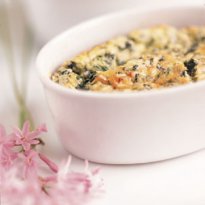

I had some leftover oyster mushrooms that I needed to get rid of. I'd been planning this for awhile, so I'm really excited that I finally got to try it. This is from the old school but it's simple and elegant and would make a great dinner paired with a simple green salad. It may be a little boring but it's still good. The item in question:
Omlette with Oyster Mushrooms and Beurre Blanc makes 2 omlettes
6 eggs
2 cups oyster mushrooms
4 Tbs butter
1/4 cup finely diced shallot
1/2 cup white wine
3/4 ounce white vinegar
Using fresh eggs is very important, if you don't they will fall apart and not flip properly. Whisk the eggs in a mixing bowl, set aside. In a small saucepan heat the butter, until melted. Cook the mushrooms until browned and soft. Remove and set aside, season with salt and pepper. Add the white wine and shallots. Reduce until consistency is syrupy. Whisk in the butter until sauce is smooth and velvety. Pour the sauce through a fine mesh strainer and keep warm until ready to serve.
Make the omlette: Heat an 8" nonstick skillet over medium heat. Add a little oil or butter to the pan. Pour over half the beaten eggs. With a wood paddle or flat, heat-resistent spatula, stir vigorously for a few seconds, as if making scrambled eggs. Swirl the pan to even out the mixture. Continue to swirl the pan periodically, scraping down the sides. Using the spatula, loosen the omlette from the bottom of the pan, shaking it to make sure it's totally free. If you're feeling brave you can attempt to flip the entire omlette over to cook the top. If you do this, cook only a few seconds before plating. If you don't want to attempt the flip, lower the heat and wait until the top is fully cooked. This will take considerably longer.
To plate: Hold tilt the pan to slide out the omlette over the plate. When it's half out of the pan, use the spatula to fold the other half over, giving you the nice folded presentation. Do not attempt the tri-fold, it's too difficult.
For serving: You can do this one of two ways. 1) put the mushrooms in the middle of the omlette before folding, if you want them in the center and pour the sauce over the top. Or to showcase the nice shape of the mushroom 2) add the mushrooms back into the beurre blanc and toss to coat. Plate the omlette and pour the mushrooms and sauce over the top. Season with salt and pepper.
Steph found this a little bland and spiced it up with sambal oelek, which was very tasty and only mildly insulting to the chef.
If you wanna be really french you could serve this with wine. Breakfast is a little early for wine for me, but I couldn't resist.





 Cutlery metallurgy is a big interest of mine, though I still know very little about it. I have however, learned some important things to look for when considering a kitchen knife.
 a good Chef/Cook's Knife - 8-10 inches. This is your all purpose knife used for for anything from boning chicken to cutting vegetables. This is the most valuable knife in your collection and should be the nicest. A well made knife will easily last a lifetime properly taken care of. 8" is usually ideal for the home cook. Any shorter is worthless). Most professionals find anything longer than 10" to be cumbersome for home use. My problem with the chef's knife is the 10 ones are too heavy for lighter work like mincing herbs, cutting fruit etc. But the 8 inch is too short. One of the guys I work with has gotten around this problem with the global 8 1/4" carving knife. Because it's made for slicing, the blade is thinner and light. Global has a habit of making their blades wider than other brands, so it makes sense that the carving knife be just right for light chef knife work. One drawback is that it's not forged, and will probably not keep and edge as long.

 Straight Paring Knife - 3-4 inches. There are many different styles, but this is the most useful.
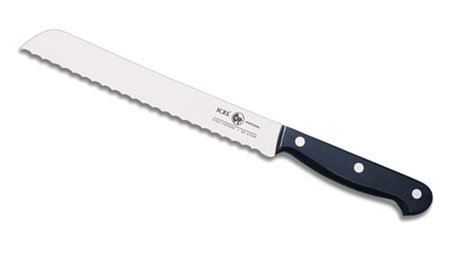 Serrated Bread Knife - 8-10 inches. I personally prefer the round as opposed to pointed tip because it cuts through though crust better.
 Slicer - 8-12 inches. Length is important because many items being sliced greatly benefit from a single motion and can be damaged by sawing.
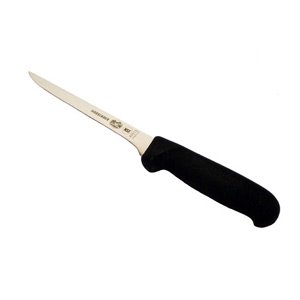 Boning Knife - should have a thin blade, preferably stamped
 Chinese Cleaver - chinese chefs use these as you would a western style chef's knife. Heavy blade works great for cutting through bone and smashing garlic and ginger.
 Meat Slicer with a granton edge. Thin blade and "scallops" cut down surface friction.
 Bird's Beak Peeler/Paring Knife - extremely useful for peeling and small or decorative cuts.
 Chinese Vegetable Cleaver - Usually single beveled, which means the edge is ground on only one side producing a very sharp edge. Often used in place of a chef's knife, though bad for cutting through bone.
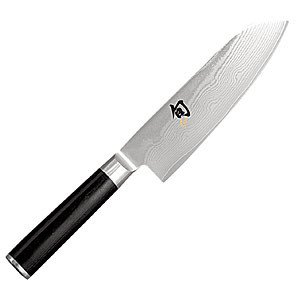 Santoku Knife - 6-7 inches. Thin bladed Japanese vegetable knife. Often used in western cooking as a chef's knife, though not designed for cutting meat or bone.
 Deba knife - a heavy duty, all purpose knife. Single beveled. Japanese chef knife great for cutting off fish heads. Properly used in place of a western style chef's knife. similar to a santoku
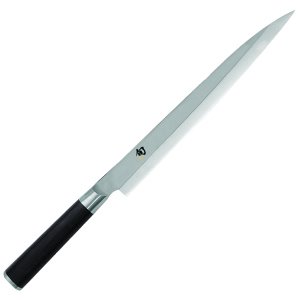 Sashimi Slicer - 10-12 inches. Takes the place of a regular slicer. Designed for more delicate items: fish, sushi, etc.


 Now that I'm once again in the market for a new knife, I've found that Henckels has just released a new line that may rightfully take the title of the sharpest high carbon steel cutlery around.